Why Your Water Heater Is Making Popping or Rumbling Noises
Popping or rumbling from a water heater is almost always sediment: hard water leaves a layer of mineral scale at the bottom of the tank, and water trapped under it turns to steam and pops through. In Diamond Bar's hard water, this builds up faster than many homeowners expect. Occasional noise in a younger tank usually means it needs flushing; loud, constant noise in an old tank means the tank is aging faster than it should.
Calls are answered 24/7 and may be recorded for quality and lead verification.
A water heater that suddenly starts talking to you is hard to ignore. The sounds range from a kettle-like popping to a low rumble or an occasional sharp bang, and they usually show up during or just after the burner or elements heat the tank. The noise is annoying, but its real message is more important: something is happening inside the tank that is shortening its life.
What is actually making the noise
The noise comes from sediment, and the physics is simple. Minerals in the water settle to the bottom of the tank as a layer of scale and sludge. That layer sits between the heat source and the water, so the water trapped inside and under the sediment gets superheated and flashes into steam bubbles. Each bubble pops as it escapes through the scale, and thousands of those pops together sound like rumbling or crackling. It is the same principle as boiling water in a kettle with limescale, except it is happening at the bottom of a steel tank under pressure.
A thin film of sediment is normal and harmless. The noise starts when the layer gets thick enough to trap steam, which usually means the tank has gone years without being flushed. The louder and more constant the noise, the deeper the sediment bed.
Diamond Bar's hard water and your tank
Diamond Bar's water runs hard, which means it carries a meaningful load of dissolved minerals, mostly calcium and magnesium. Every gallon that enters the tank leaves a little of that load behind when heated. In a typical household this adds up to pounds of sediment per year in an unflushed tank. Homes here accumulate scale faster than homes on softer municipal supplies, so the flush-it-once-in-a-while advice from milder water areas understates what a Diamond Bar tank actually needs.
This is also why the popping noise is one of the most common water heater complaints in the city's older tracts. A 15-year-old tank in Diamond Point that was never flushed is likely to be sitting on inches of sediment, and the noise is often the first thing that makes the homeowner call. The sediment did not arrive overnight; it has been building since the tank was installed.
What sediment does to a heater over time
Beyond the noise, a sediment bed damages the tank in three ways. First, it insulates the bottom of the tank, so the burner or elements run longer to heat the same water, which raises energy use. Second, the trapped heat creates hot spots on the tank floor and the lower heating elements, which accelerates metal fatigue and element burnout. Third, the constant overheating underneath the scale stresses the tank's glass lining and welds, which is how sediment eventually contributes to tank failure and leaks.
In practical terms, a noisy tank is a tank working harder than it was designed to work. The noise is a symptom; the shortened life is the disease. That is why providers treat persistent popping as a maintenance flag rather than a curiosity.
When flushing helps, and when it does not
Flushing drains the tank and rinses the sediment out through the drain valve, and on a younger tank it usually quiets the noise dramatically. If your heater is under about eight years old and has never been flushed, a professional flush is very likely to help.
There is an important exception: on a much older tank with heavy, long-compacted sediment, flushing can disturb scale that was effectively plugging weak spots in the tank wall, and leaks can appear afterward. A careful provider checks the tank's age and condition before flushing and tells you honestly whether a flush is worthwhile or whether the tank is telling you it is near the end of its life. Draining an old, neglected tank without that assessment is one of the few home-maintenance moves that can make things worse, so this is a call-first situation, not a DIY experiment.
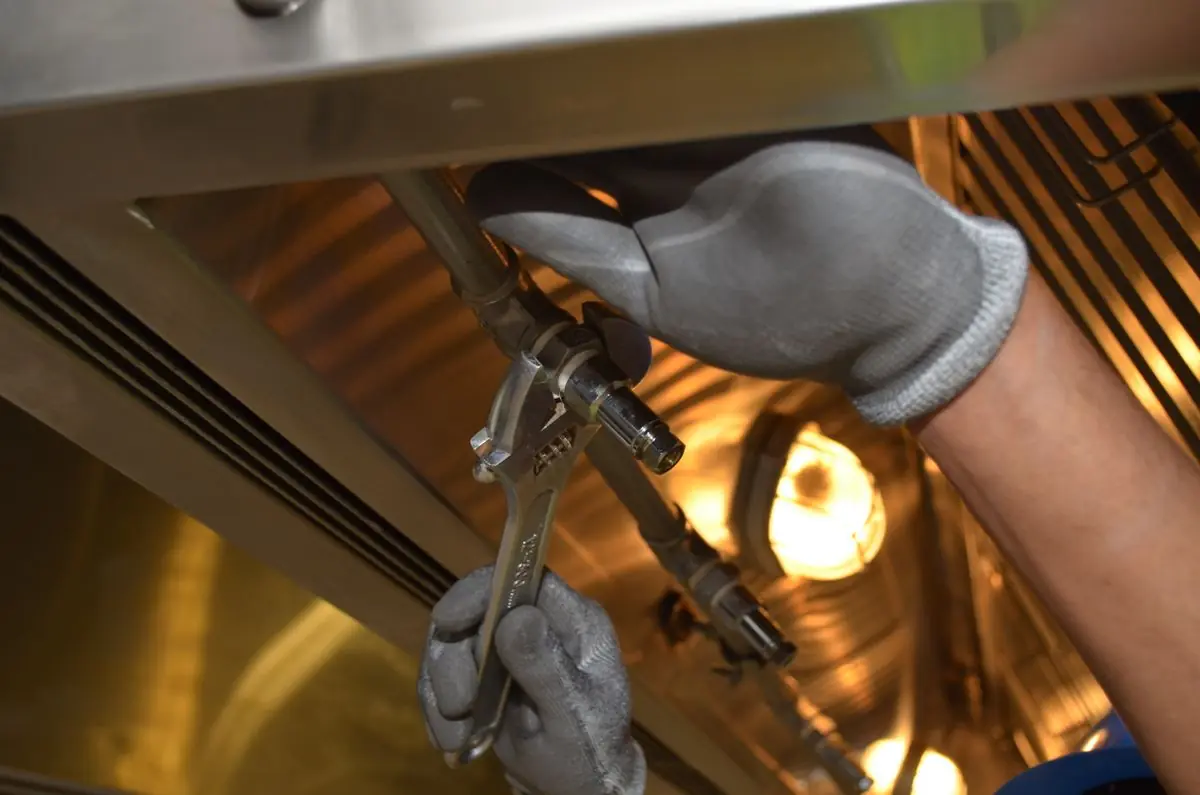
What a provider checks on a noisy heater
A noisy-heater visit usually covers more than the sediment itself. The provider checks the tank's age from its serial number, tests the drain valve (which is often clogged with the same sediment), looks at the anode rod's condition, and checks the thermostat and burner or elements for signs of overheating. If the tank is sound, it gets flushed and the noise goes away. If the tank is near the end, you get an honest assessment and an upfront estimate for repair or replacement before anything is decided.
It is also worth noting that noise is not the only hard-water symptom worth watching. A tank that is noisy and also showing rusty water or moisture at its base may be further along than the noise alone suggests. Our guide on a water heater leaking from the bottom explains which leaks mean the tank is done and how age decides the repair-or-replace question.
What to do next if your heater is making noise
Call (909) 363-3380 and describe the noise and the heater's age if you know it. Your call is routed to an available local licensed provider who assesses the tank, flushes it if a flush will help, and gives you an upfront estimate with your approval required before any work begins. Calls are answered 24/7, and may be recorded for quality and lead verification.
Heater rumbling like a kettle?
Get it assessed and flushed before sediment costs you the tank.
Call (909) 363-3380Calls answered 24/7. Calls may be recorded for quality and lead verification.