Gas Line Permits and Inspections in Los Angeles County: What Homeowners Should Know
Most gas line work in Los Angeles County requires a permit and an inspection: new lines, extensions, relocations, and replacements, with only the simplest like-for-like appliance hookups sometimes exempt. The inspector checks materials, joints, supports, shutoff valves, and a pressure test result. Unpermitted gas work is a safety risk and a resale problem, so permitted, inspected work is always the right call.
Gas is the one home system where "it works fine" is not good enough. A water leak ruins a cabinet; a gas leak can level a house. That is why gas line work sits under some of the strictest rules in residential construction, and why permits and inspections are not bureaucratic friction but the mechanism that keeps the work honest. If you are planning gas line work in Diamond Bar, which sits in Los Angeles County, here is how the permit side works and why it matters to you as the homeowner.
When a permit is required
The pattern is consistent across the county's cities and unincorporated areas, though the exact counter and forms differ by jurisdiction. A permit is required for installing a new gas line, extending an existing line to a new appliance or location, relocating a line, replacing a section of buried or interior gas piping, and installing earthquake shutoff valves. Work at the meter itself belongs to the gas utility, not to your permit. The gray area is small: swapping an appliance for a similar one on an existing, already permitted line sometimes needs no new permit, but anything that changes the piping needs one. When in doubt, the answer is to ask the building department or, more practically, to hire a provider who pulls permits as a matter of routine. A contractor who suggests skipping the permit for gas work is telling you everything you need to know about that contractor.
What the permit process looks like
For a homeowner, the process is mostly invisible, because the licensed provider handles it. In general terms: the provider submits an application describing the work, sometimes with a simple plan sketch showing the run, the pipe size, and the appliance loads. Fees vary by jurisdiction and by the scope of the job. Approval typically comes quickly for straightforward residential gas work, and the permit sets up the inspection at the end. What you should do is confirm the permit number exists and is posted or available before work starts. It takes one question: "What is the permit number for this job?" A professional answers immediately. This is also the moment to confirm in writing who is responsible for scheduling the inspection, because an installed line that never gets inspected is an unfinished job.
The pressure test and the inspection
The heart of gas line quality control is the pressure test. After the new or repaired piping is installed but before it is concealed or put into service, the provider pressurizes the line, usually with air, and holds it while watching for any pressure drop over a set period. A system that holds pressure has no leaks; a system that drops has a problem that gets found and fixed before the inspector ever arrives. The inspection itself then checks the visible work against code: approved pipe materials and fittings for the application, proper joint methods, adequate support and protection where lines pass through framing, accessible shutoff valves at appliances, sediment traps where required, and correct clearances. Inspectors in this region see gas work daily and know exactly what shortcuts look like. Passing inspection is not a formality; it is the independent verification that the most dangerous system in your house was built right.
Why unpermitted gas work backfires
Skipping the permit saves a small fee and a little time, and it risks far more than it saves. Start with safety: uninspected work is where the wrong fittings, undersized lines, and untested joints live, and gas does not forgive those the way water piping might. Then insurance: if a fire or explosion traces back to unpermitted gas work, carriers have grounds to dispute the claim, which can turn a disaster into a financial catastrophe. Then resale: California sellers disclose unpermitted work, buyers' inspectors flag gas piping that has no permit history, and deals get renegotiated or fall apart over exactly this. A permitted, inspected gas line, by contrast, is documented work that adds confidence for the next owner. The permit costs a fraction of the job and protects the whole investment. There is no version of this math where skipping it wins.
A note on earthquake shutoff valves
Southern California homeowners often ask about seismic gas shutoff valves, which close automatically when shaking reaches a threshold. They are a sensible consideration in a region where the ground moves, and Diamond Bar's hillside setting makes the question natural. Whether one is required, recommended, or simply optional depends on the jurisdiction and the scope of work, so treat it as a question for your provider and the building department rather than a universal rule. What is universal is that the valve must be the right type, installed correctly on the house side of the meter, and that its installation is permitted and inspected like any other gas work.
Choosing a provider for permitted gas work
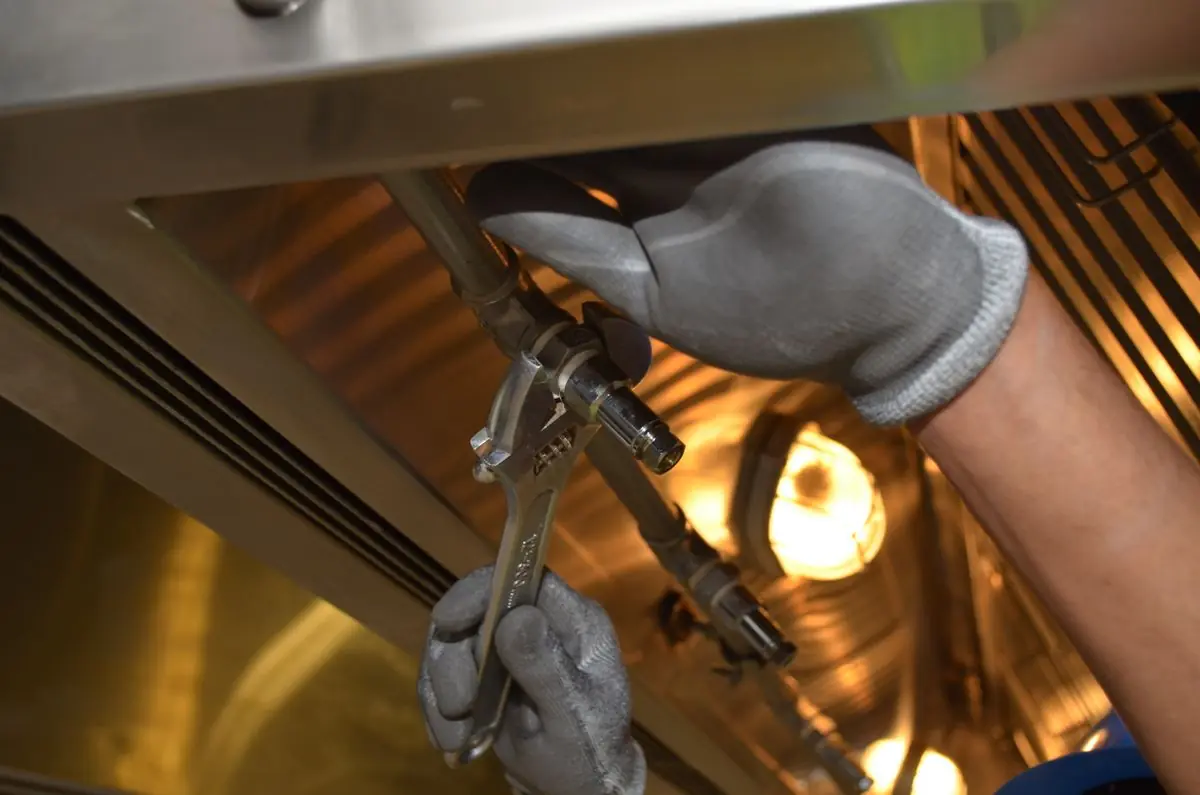
Gas line work in California belongs to licensed contractors, and the provider should hold the classification that covers it and pull the permit under their own licence. Ask three questions before you approve anything: are you licensed for gas line work, will you pull the permit and schedule the inspection, and will the line be pressure tested before concealment. The answers should be yes, yes, and yes, delivered without hesitation. Our gas line services page explains how providers connected through this site handle gas line repairs, replacements, and installations in Diamond Bar, including permits and inspections as standard practice. If you ever smell gas, none of this applies: leave the house, call the utility or 911 from outside, and read our guide on what to do if you smell gas after everyone is safe. The providers behind our gas line services are the right call once the emergency phase is over and the repair phase begins.
Planning gas line work? Start with a permitted plan
Call (909) 363-3380 and describe the project: a new line, an extension, a replacement, a valve. Your call is routed to an available local licensed provider experienced with gas line work in Diamond Bar and Los Angeles County permitting, who explains what the job needs, handles the permit and inspection, pressure tests the work, and gives an upfront estimate with your approval required before any work begins. Calls are answered 24/7, and may be recorded for quality and lead verification.
Get your gas line work permitted and inspected
Get matched with a licensed local provider who pulls permits, pressure tests, and passes inspection as standard practice.
Call (909) 363-3380Calls answered 24/7. Calls may be recorded for quality and lead verification.