What to Do If You Smell Gas in Your Home
If you smell gas, leave the home immediately, do not flip any switches or light anything, and call your gas utility or 911 from outside. Do not go back inside until professionals say it is safe. Only after the all clear should you call a licensed plumbing provider to find and fix the leak. Read the steps below once now, so you act correctly without having to think.
Natural gas in its pure form has no smell, which is why utilities add a chemical that gives it the familiar rotten egg odor. That smell is a warning system, and it works only if you take it seriously every time. A gas leak can fill a room, a garage, or a crawlspace with an invisible, flammable mixture, and the danger is not just fire: high concentrations displace oxygen and cause dizziness, nausea, and worse. The good news is that the correct response is simple and always the same. Memorize the order below. In the moment, you will not have time to look it up.
The order of what to do, step by step
Do these in order. Do not rearrange them.
1. Leave immediately
Get everyone out of the house, including pets if you can do it without delay. Do not stop to open windows, do not stop to grab valuables, do not stop to investigate where the smell is strongest. Movement first. If the smell is strong or anyone feels dizzy, nauseous, or headachy, treat it as urgent and move quickly but calmly.
2. Do not touch switches, appliances, or flames
On your way out, do not flip light switches on or off, do not unplug anything, do not use the garage door opener, and do not light matches, candles, or cigarettes. A tiny spark from an electrical contact is enough to ignite a gas mixture, and the risk is highest exactly when the smell is strongest. This is the step people get wrong most often, because the instinct is to turn things off. Resist it. Just leave.
3. Call from outside, away from the house
Once you are outside and at a safe distance, call your gas utility's emergency line, or 911 if you cannot reach the utility or the situation feels serious. Do not make the call from inside the house: use a cell phone outside or a neighbor's phone. Tell them you smell gas, give the address, and stay outside. The utility will send someone to assess, and they can shut off the gas at the meter if needed.
4. Do not re-enter until professionals say it is safe
Wait for the utility crew or firefighters to check the house with detection equipment and declare it clear. Smell alone is not a reliable all clear, because your nose adapts and the concentration can vary by room. If the utility shuts off your gas at the meter, leave it off: only qualified people should restore gas service, because relighting pilots and checking appliances is part of doing it safely.
Why this order and not another
Every part of the sequence exists because of how gas behaves. Gas rises and spreads through a house along ceilings, stairwells, and ductwork, so staying inside to investigate puts you in the path of whatever is accumulating. Electrical devices spark when their contacts open or close, which is why even turning a light off is dangerous. Phones are safe to use once you are outside and away from the building. And the reason you call the utility first rather than a plumber is jurisdiction: the utility owns the meter and the service line to it, responds to emergencies around the clock, and carries the equipment to find and stop a leak at the source. A plumbing provider comes in after, for the house side of the system.
What NOT to do
- Do not try to find the leak yourself, with soapy water or any other method, while gas may be present.
- Do not light anything to "see better" or to check a pilot.
- Do not start a car in an attached garage.
- Do not assume a faint smell is fine. A faint smell still means gas is escaping somewhere, and small leaks grow.
- Do not turn the gas back on at the meter yourself after a shutoff.
Warning signs that can appear before the smell
The rotten egg smell is the main alarm, but there are quieter ones worth knowing. A hissing or whistling sound near a gas line or appliance connection. A patch of dead or dying vegetation in an otherwise healthy yard, above a buried line. A gas bill that climbs without a change in usage. And physical symptoms when you are home, dizziness, fatigue, nausea, or headaches that ease when you leave the house, which can indicate gas or carbon monoxide exposure and mean getting to fresh air and calling 911. None of these replace the smell as a signal; they are reasons to be alert, ventilate by leaving, and get a professional check.
What causes residential gas leaks
Most leaks trace to a short list of causes. Aging steel or iron gas lines corrode at joints and threads. Ground movement, a real factor in Diamond Bar's hillside areas, stresses rigid lines and fittings over time. Appliance connectors, the flexible lines behind stoves and dryers, wear out and are a common leak point. And unpermitted or amateur gas work, lines joined with the wrong fittings or never pressure tested, fails in ways permitted work does not. This is why gas work belongs to licensed professionals and permitted jobs, a subject our guide to gas line permits and inspections in Los Angeles County covers in detail.
After the all clear: fixing the leak
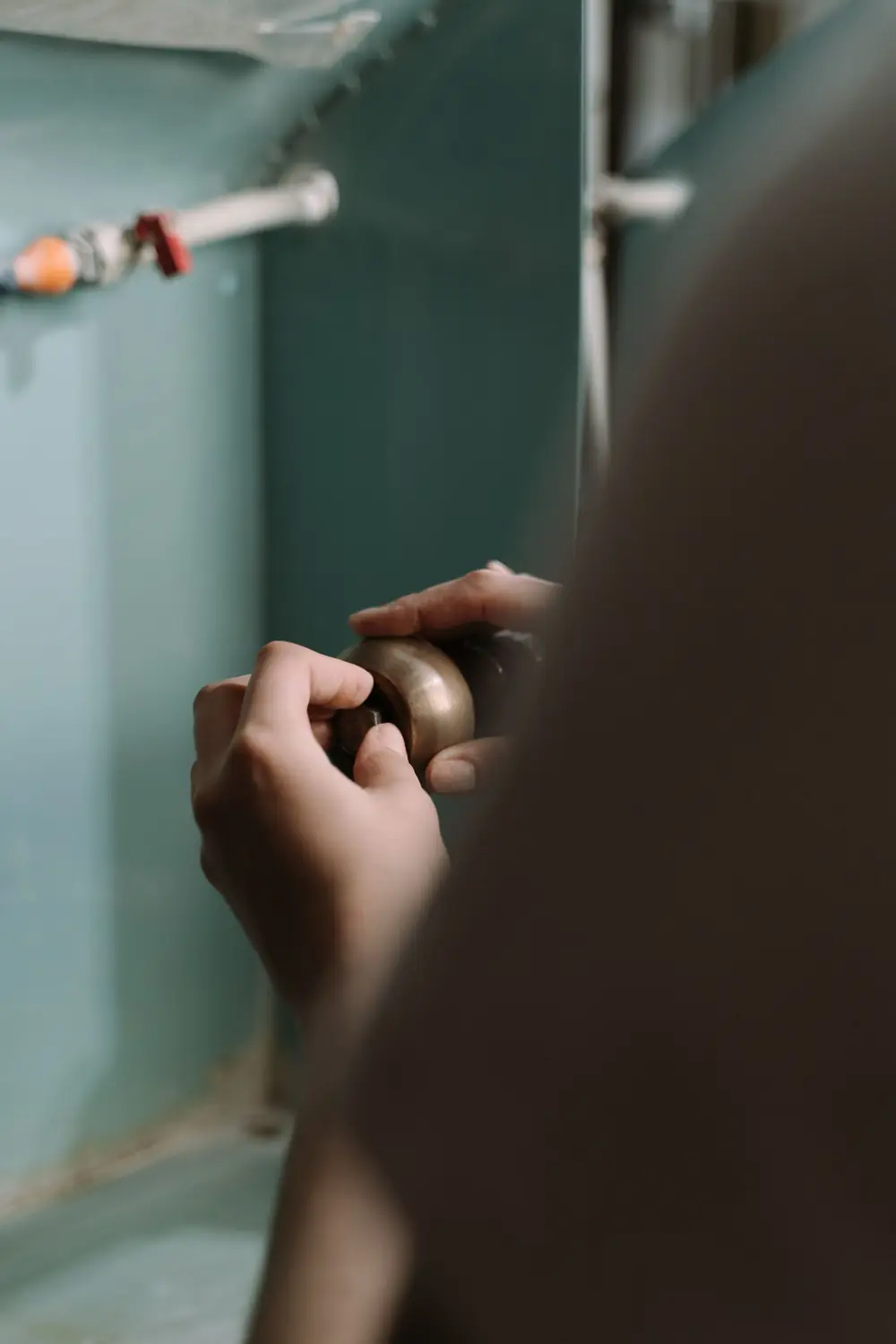
Once the utility or fire crew declares the house safe, the repair phase begins, and this is where a licensed plumbing provider takes over. If the utility shut off your meter, it stays off until the house side is fixed and tested. The provider locates the leak, which usually means pressure testing the house lines and checking joints and appliance connectors, then repairs or replaces the failed section. After the repair, the line is pressure tested again and the work is inspected where a permit applies, because gas line repairs are permitted work in most cases. Only then is service restored and appliances relit and checked. If you need this kind of help in Diamond Bar, our gas line services page explains how providers here handle leak repair, line replacement, and new installations. The gas line services providers connected through this site are licensed for this work and pull permits where required.
If this is about a project, not an emergency
Not every gas question is an emergency. If you are planning to add a line for a new range, a dryer, a fire pit, or an outdoor kitchen, that is scheduled, permitted work with no urgency attached. Our guide to adding a gas line for a new appliance walks through sizing, routing, permits, and what the install visit involves. But if you smell gas right now, stop reading and follow the steps at the top of this page.
A non-emergency gas question? Talk to a licensed provider
For gas line repairs, replacements, earthquake valves, or new installations, call (909) 363-3380. Your call is routed to an available local licensed provider experienced with gas line work in Diamond Bar, who diagnoses the issue, explains the options and the permit requirements, and gives an upfront estimate with your approval required before any work begins. Calls are answered 24/7, and may be recorded for quality and lead verification. If you smell gas right now, call your gas utility or 911 first, from outside.
Need gas line work in Diamond Bar?
Get matched with a licensed local provider for repairs, replacements, or new gas lines. Emergencies: call your gas utility or 911 first.
Call (909) 363-3380Calls answered 24/7. Calls may be recorded for quality and lead verification.